
History of Alcoholics Anonymous (AA)
Origins (1930s)
Alcoholics Anonymous was founded in 1935 in Akron by Bill Wilson, a New York stockbroker, and Bob Smith, an Akron surgeon. Their meeting in Akron in June 1935 is widely regarded as the beginning of AA. Wilson’s recovery experiences, including spiritual ideas influenced by the Oxford Group, helped shape the organization’s philosophy.
A central early insight of AA was that alcoholics could often help one another remain sober more effectively through shared experience and mutual support than through professional treatment alone.
Expansion and Early Literature (1940s)
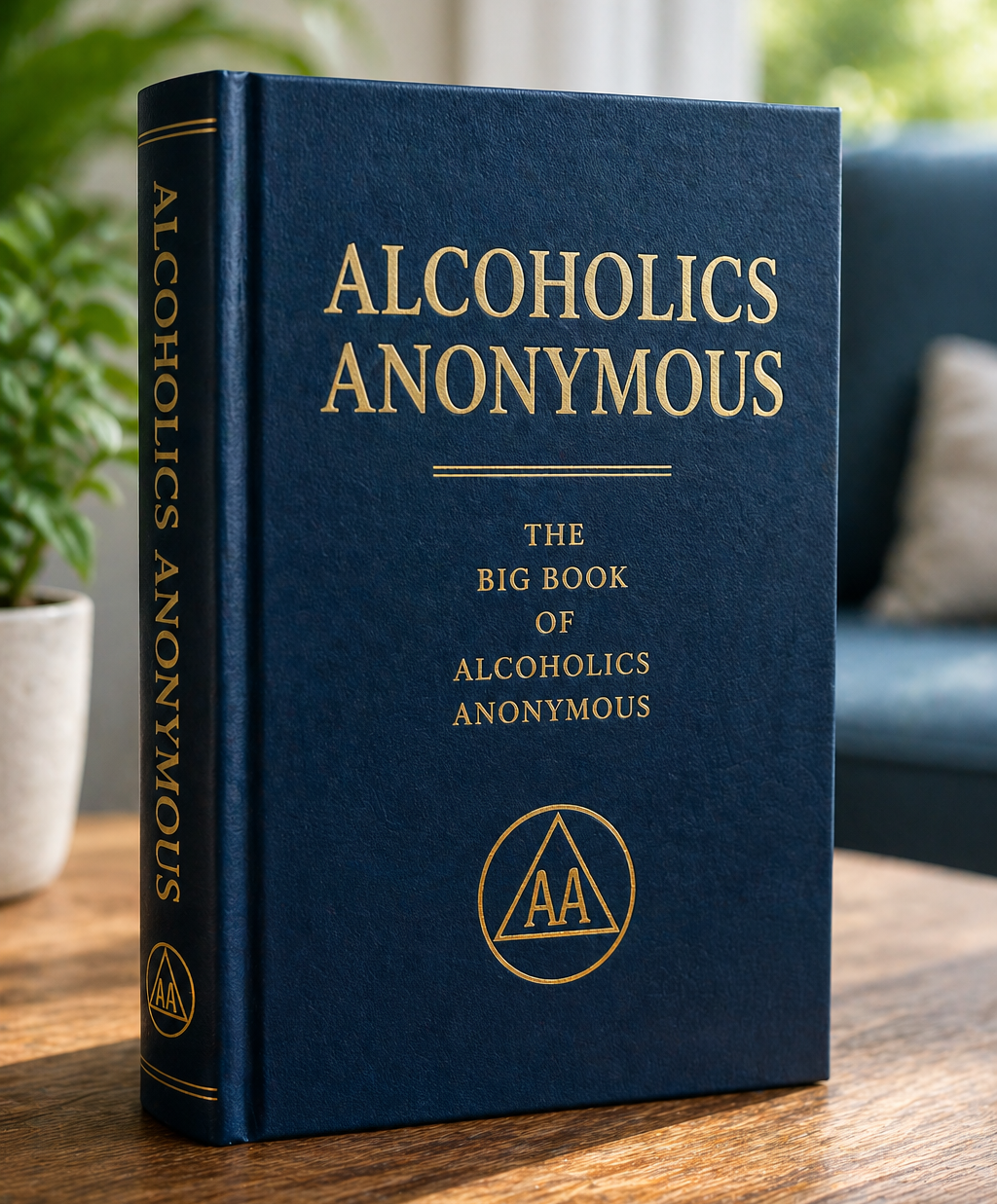
In 1939, AA published Alcoholics Anonymous, commonly called “The Big Book.” The text outlined AA’s recovery principles, including the Twelve Steps, and included personal recovery stories from early members.
Media attention in the 1940s, especially a widely read 1941 article in The Saturday Evening Post, accelerated AA’s growth across the United States and internationally. Membership expanded rapidly during this period.
Institutional Development
As AA expanded, the organization developed the Twelve Steps and Twelve Traditions and the broader framework known as the Twelve Traditions between 1946 and 1950. These principles emphasized:
Anonymity
Non-professional leadership
Self-support
Independence from outside organizations
Group autonomy and unity
The Traditions were formally adopted at AA’s 1950 International Convention in Cleveland.
Today, AA operates in more than 180 countries and remains one of the world’s most widespread recovery fellowships.
Core Methods of AA
1. The Twelve Steps
The Twelve Steps form the core of AA’s recovery method. They combine behavioral change, personal reflection, accountability, and spiritual development.
Major themes include:
Admitting loss of control over alcohol
Trust in a personally defined “higher power”
Conducting a moral self-inventory
Making amends for past harms
Continuing self-examination and helping others
Members commonly work through the steps with guidance from a sponsor.
2. Meetings and Peer Support
AA meetings are the primary setting for recovery activity. Common meeting formats include:
Speaker meetings
Discussion meetings
Step-study meetings
Meetings generally emphasize:
Regular attendance
Open sharing without interruption or judgment
Identification and mutual understanding rather than direct advice-giving
Peer support and shared experience are considered central to maintaining sobriety.
3. Sponsorship
A sponsor is a more experienced AA member who supports a newcomer through the recovery process. Sponsors commonly:
Guide members through the Twelve Steps
Provide accountability
Offer practical advice for sobriety and daily living
The sponsor–sponsee relationship is widely viewed as a cornerstone of AA recovery culture.
4. Spiritual (Not Strictly Religious) Approach
AA describes itself as spiritual rather than religious. Members are encouraged to define a “higher power” according to their own beliefs and experiences.
Practices may include:
Prayer
Meditation
Reflection
Spiritual discussion
AA literature emphasizes that participation does not require adherence to a specific religion.
5. Anonymity and Mutual Aid
Anonymity is a foundational AA principle intended to:
Reduce stigma
Encourage honesty
Keep attention focused on recovery rather than status or personality
AA also emphasizes mutual aid: members both receive support and help others. Helping other alcoholics is considered part of maintaining one’s own sobriety.
Effectiveness and Criticisms
Evidence of Effectiveness
Many AA participants report long-term sobriety, social support, and improved quality of life. Research has found that regular participation in AA can improve recovery outcomes for some individuals, particularly when attendance and involvement are consistent.
Common Criticisms
Critiques of AA commonly include:
Its spiritual framework may not appeal to everyone
Success rates vary considerably
The program is less structured than formal clinical treatment
AA alone may not address severe psychiatric or medical conditions
Critics and supporters alike often note that effectiveness depends heavily on individual fit and engagement.
Modern Role
Today, AA is frequently used alongside professional treatment approaches such as:
Cognitive Behavioral Therapy
Naltrexone
Inpatient rehabilitation programs
Outpatient counseling and recovery services
AA remains one of the most accessible and widely available recovery support systems worldwide.
Useful Source Links