
Newest Research on AUD
Here’s a clear, up-to-date snapshot (2025–2026) of major research trends in Alcohol Use Disorder (AUD)—what’s genuinely new, what’s promising, and what’s changing in how scientists think about it.
1. Brain science: AUD is increasingly seen as a “rewired system.”
Recent neuroscience is getting more precise about how alcohol changes the brain:
New work (2025) shows AUD disrupts “go vs. stop” signaling systems in stress-related brain regions, helping explain cravings and relapse
The broader idea: addiction isn’t just willpower—it’s altered neural circuits and signaling balance
Brain plasticity (the brain’s ability to adapt) means:
People develop AUD through different pathways
Recovery may require personalized treatments
Takeaway: AUD is increasingly treated like a chronic brain disorder with multiple biological subtypes, not a one-size-fits-all condition.
2. Breakthrough medications (especially GLP-1 drugs)
One of the biggest recent developments:
MarketWatch Can GLP-1s curb alcohol use? A new study says the drugs can reduce heavy drinking.
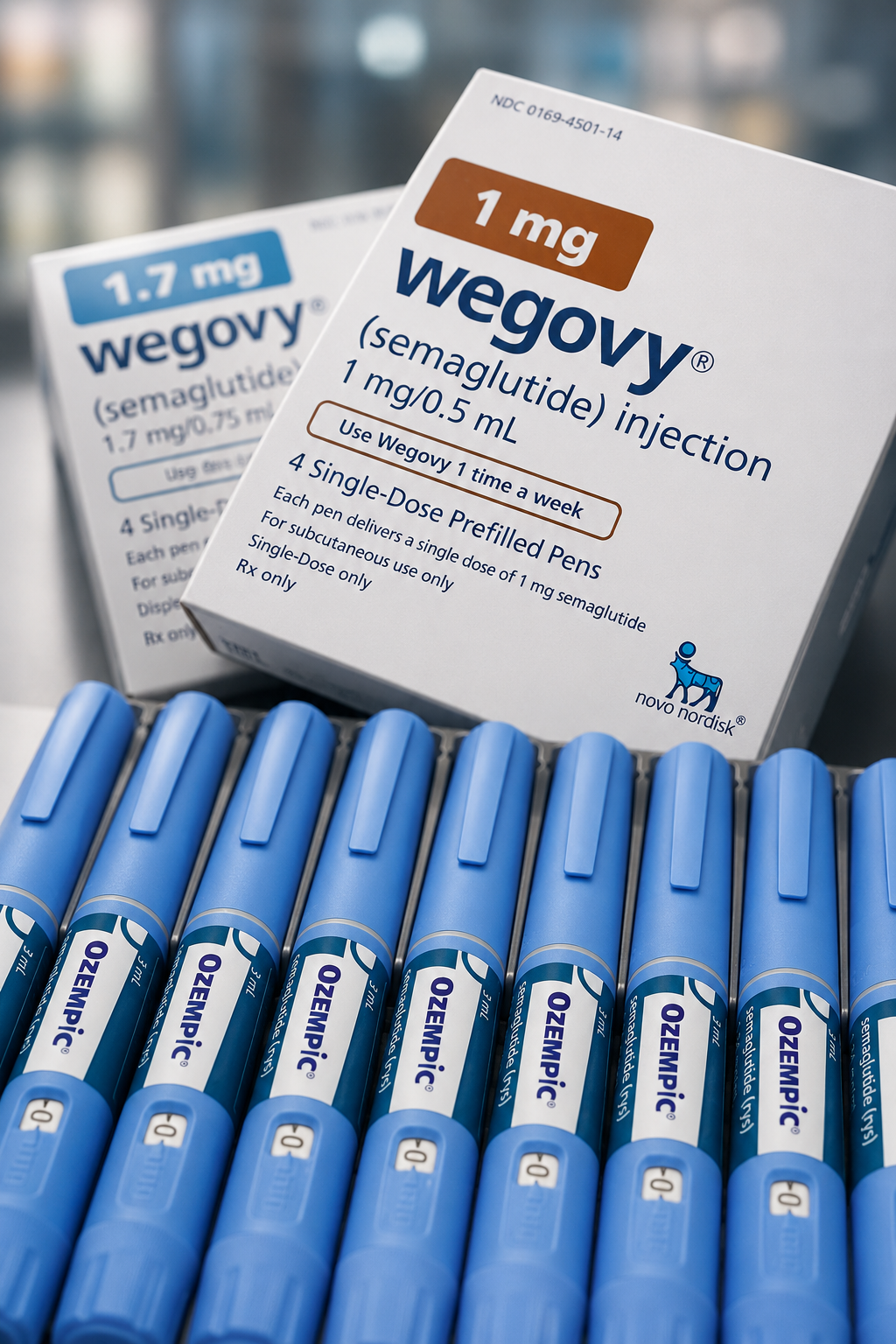
Drugs like semaglutide (used for diabetes/weight loss) are showing reduced heavy drinking and cravings in clinical trials
These belong to the GLP-1 receptor agonist class (e.g., Ozempic/Wegovy)
Early randomized trials support real biological effects on alcohol intake
Why this matters:
Current AUD meds (like naltrexone) don’t work for everyone
GLP-1 drugs may target reward pathways and craving circuits
👉 This is one of the most promising pharmacological directions right now.
3. New types of treatments beyond medication
Researchers are expanding beyond pills:
Cognitive/behavioral tech
Approach Avoidance Training (AAT) uses computer-based tasks to retrain automatic responses to alcohol cues
Precision medicine
Studies are identifying genetic + environmental risk profiles to predict who develops AUD
The shift: from generic therapy → targeted, personalized interventions
4. Rethinking “safe” drinking
A major shift in public health science:
New research increasingly rejects the idea that moderate drinking is beneficial
Even low–moderate intake can raise mortality risk, especially with beer/spirits
Growing awareness of links to cancer and brain effects
Big picture: the old “a drink a day is good for you” narrative is largely being overturned.
5. Changing drinking patterns (and risks)
Recent population data shows a mixed picture:
~27.9 million Americans have AUD
Less than 10% receive treatment
Overall drinking is declining in some groups, especially youth
But binge drinking is rising in young adults
Interpretation:
Fewer people may drink overall
But those who do may engage in riskier patterns
6. Harm reduction is gaining acceptance
A subtle but important policy shift:
The FDA now recognizes reducing drinking (not just abstinence) as a valid treatment outcome
This aligns with:
“Dry January”–style moderation approaches
Broader harm-reduction models
Meaning: treatment goals are becoming more flexible and realistic.
7. AUD is increasingly seen as part of a larger system
New research emphasizes overlap with:
Mental health disorders (depression, PTSD, anxiety)
Other substance use (e.g., cannabis, nicotine)
AUD is rarely isolated—it’s often part of a multi-condition ecosystem.
Bottom line: where the field is heading
The biggest shifts in AUD research right now:
From “bad habits” → brain circuit disorder
From limited meds → new drug classes (GLP-1s)
From generic care → precision/personalized treatment
From “moderate is fine” → increasing caution about any level
From abstinence-only → harm reduction strategies